
How to Move Antiques Safely — Melbourne Guide
 Moninder Pal Singh27 August 2026 ·7 min read
Add Gem Movers on Google
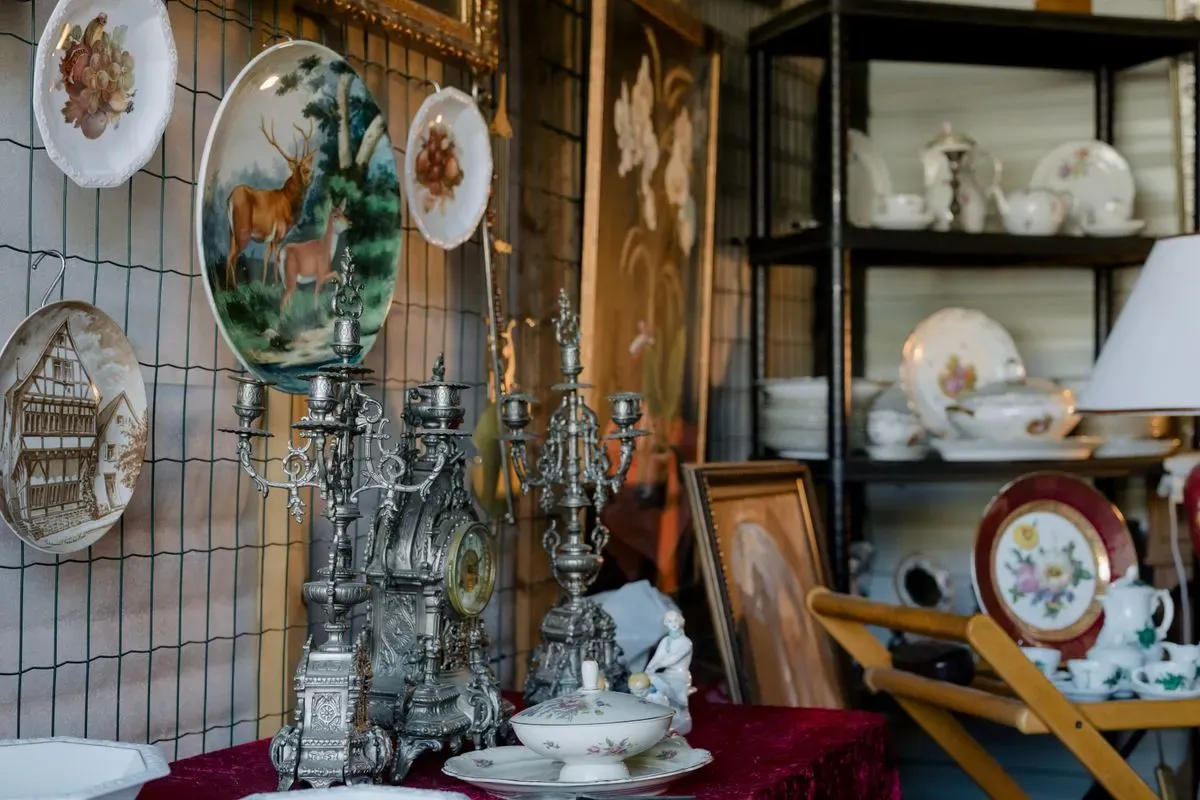
Table of Contents
- Why Antiques Need a Completely Different Approach
- Step 1: Assess Before You Touch Anything
- Step 2: Gather the Right Packing Materials
- Step 3: Packing Techniques for Common Antique Types
- Antique Wooden Furniture (Cabinets, Dressers, Tables)
- Mirrors, Glass, and Framed Pieces
- China, Porcelain, and Ceramics
- Antique Clocks
- Pianos and Large Statement Pieces
- Step 4: Loading and Transport Considerations
- Common Mistakes That Damage Antiques During a Move
- Should You DIY or Hire Professionals for Antique Moves?
- How Gem Movers Handles Antique and Heirloom Relocations
- Frequently Asked Questions
- What packing materials should never be used on antiques?
- How do I move an antique mirror or glass piece safely?
- Do removalists provide insurance for antiques during a move?
- What's the biggest cause of antique damage during moving?
- Ready to Move Your Antiques With Confidence?
Some things you move because you have to. Antiques, you move because you *have* to get it right.
Whether it's a hand-carved wooden cabinet passed down three generations, a fragile porcelain collection, or a vintage piano that's been the heart of your living room for decades — antiques carry more than sentimental weight. They carry history, craftsmanship, and often a value that simply can't be replaced if something goes wrong on moving day.
If you're relocating in Melbourne and antiques are part of the move, this guide will walk you through exactly how to pack, protect, and transport them — the right way.
Why Antiques Need a Completely Different Approach
Regular furniture is built for durability. Antiques are often the opposite — built with materials, joinery, and finishes that were never designed to survive a modern moving truck.
Here's what makes antiques uniquely risky to move:
- Aged wood becomes brittle — old joints, veneers, and inlays can crack under pressure that modern furniture would easily handle
- Original finishes are irreplaceable — a scratch on a 100-year-old varnish can't be "touched up" the way modern paint can
- Structural weaknesses aren't always visible — hairline cracks, old repairs, and loose joinery often only reveal themselves *during* a move
- Sentimental and monetary value combine — unlike flat-pack furniture, there's no simple replacement if something breaks
This is exactly why antiques deserve a slower, more deliberate approach — not the same speed and stacking techniques used for everyday furniture.
Step 1: Assess Before You Touch Anything
Before a single box or blanket comes out, take stock of what you're actually dealing with.
- Photograph each piece from multiple angles — this helps identify any pre-existing damage (useful for insurance) and gives you a reference for reassembly later
- Check for existing weak points — loose legs, cracked glass, worn hinges, or previous repairs
- Note anything irreplaceable — mirrors, marble tops, glass panels, or delicate carvings that need extra-specific protection
- Separate removable parts — drawers, shelves, glass inserts, and hardware should usually travel separately from the main piece
Step 2: Gather the Right Packing Materials
Standard moving supplies often aren't enough for antiques. Here's what actually works:
How to Choose the Best Removalist in Melbourne — What to Look for Before You Book
By Gem Movers Team·May 13, 2026 · 10 min read
- Acid-free packing paper — regular newspaper ink can transfer and stain delicate surfaces
- Furniture blankets/moving pads — thick, quilted protection for corners and edges
- Bubble wrap (used correctly) — great for glass and ceramics, but should never sit directly against a delicate wood finish, as it can trap moisture
- Corner protectors — foam or cardboard guards for exposed edges and legs
- Stretch wrap (not directly on wood) — useful for holding blankets in place, but never wrapped straight onto a wooden surface, as it can pull off finish over time
- Custom crates — for particularly valuable or fragile pieces, a wooden crate built to size offers the highest level of protection
Step 3: Packing Techniques for Common Antique Types
Antique Wooden Furniture (Cabinets, Dressers, Tables)
- Remove all drawers and loose components first
- Wrap legs and corners individually before wrapping the whole piece
- Use moving blankets secured with stretch wrap (never wrap tape directly onto wood — it can peel finish when removed)
- Keep upright where possible; avoid laying tabletops flat on other furniture
Mirrors, Glass, and Framed Pieces
- Use cardboard corner protectors on all four corners
- Wrap in bubble wrap, then a flat moving blanket, and transport vertically — never flat, as pressure can cause cracking
- Label clearly as fragile on all sides, not just the top
China, Porcelain, and Ceramics
- Wrap each piece individually in acid-free paper, then bubble wrap
- Pack vertically (like plates on their edge, not stacked flat) inside sturdy boxes with cushioning at the base
- Fill every gap in the box — shifting during transport is the biggest cause of breakage, not the move itself
Antique Clocks
- Secure or remove the pendulum and any moving mechanical parts before the move
- Wrap the case separately from any glass panels
- Transport upright, never on its side or face-down
Pianos and Large Statement Pieces
- These require specialist equipment (piano boards, ramps, and proper lifting techniques) and are genuinely one of the riskiest DIY moves — this is a case where professional help isn't optional, it's essential
Step 4: Loading and Transport Considerations

How to Move Heavy Furniture Without Damaging Your Floors
Learn expert tips from Gem Movers on how to protect timber, tiles, and carpet floors when relocating heavy furniture.
By Gem Movers Team·May 28, 2026 · 4 min read
- Load antiques last, unload first — this reduces the amount of time they spend being shifted around inside the truck
- Position against the truck walls, not stacked under other items — weight from other furniture is one of the most common causes of hidden antique damage
- Secure with soft tie-downs, not tight ratchet straps directly against wood or glass
- Avoid extreme temperature exposure — leaving antiques in a hot or freezing truck for extended periods can warp wood or crack certain finishes
Common Mistakes That Damage Antiques During a Move
- Using regular packing tape directly on wood or fabric surfaces
- Stacking heavier furniture or boxes on top of antique pieces
- Wrapping wood in plastic for extended periods, which traps moisture and can cause mould or warping
- Rushing the pack job because "it's just furniture" — antiques need noticeably more time than standard items
- Not measuring doorways, stairwells, and lift dimensions beforehand, leading to forced manoeuvring that stresses joints and frames
Should You DIY or Hire Professionals for Antique Moves?
Small, sturdy antique pieces can sometimes be safely moved with careful DIY packing. But for anything with these characteristics, professional help is strongly recommended:
- High monetary or sentimental value
- Glass, marble, or intricate carved detail
- Known structural weaknesses or prior repairs
- Awkward size or shape (armoires, grand pianos, curved cabinetry)
- Family heirlooms with no possibility of replacement
The cost of a damaged antique — financially and emotionally — almost always outweighs the cost of professional handling.
How Gem Movers Handles Antique and Heirloom Relocations
At Gem Movers, we treat antiques the way they deserve to be treated — with patience, the right materials, and genuine care, not just speed. Our team is experienced in packing and transporting delicate, high-value, and sentimental items across Melbourne and interstate, using proper padding, custom protection, and careful loading techniques for every piece.
We offer competitive hourly rates with no hidden charges, so protecting your antiques doesn't come with unexpected costs — just clear communication and careful hands from start to finish.
With over 14 years of experience, 10,000+ successful moves, and a 4.8 Google rating, we understand that some items simply can't be replaced — and we move accordingly.
Frequently Asked Questions

Moving from Sydney to Melbourne: The Complete Interstate Guide
By Moninder Pal Singh·Jun 4, 2026 · 5 min read
Can antiques be moved safely without professional help? Smaller, sturdy pieces sometimes can, with careful packing and the right materials. However, valuable, fragile, or structurally delicate antiques are best handled by experienced removalists to avoid irreversible damage.
What packing materials should never be used on antiques?
Avoid regular packing tape directly on wood or fabric, plastic wrap left on for long periods (which traps moisture), and newspaper touching delicate surfaces, as ink can transfer and stain.
How do I move an antique mirror or glass piece safely?
Protect all corners, wrap in bubble wrap followed by a moving blanket, and always transport it vertically rather than flat to avoid pressure-related cracking.
Do removalists provide insurance for antiques during a move?
Coverage varies by provider, so it's worth asking directly about how valuable or irreplaceable items are protected before booking your move.
What's the biggest cause of antique damage during moving?
Shifting during transport and improper stacking are among the most common causes — which is why secure loading and careful positioning matter just as much as the initial packing.
Ready to Move Your Antiques With Confidence?
Your antiques deserve more than bubble wrap and good intentions. Gem Movers combines experience, patience, and the right materials to make sure your treasured pieces arrive exactly as they left — safe, intact, and ready for their new home.
👉 and let's talk about how we'll protect what matters most to you.
Written by
Moninder Pal SinghMoninder Pal Singh is an experienced SEO copywriter specialising in moving and removalist content across Australia. He writes practical, well-researched guides to help readers navigate every stage of their move with confidence.
View Profile →